Commercial Laminate Flooring vs. Traditional Hardwood
People exploring commercial laminate flooring versus traditional hardwood are often seeking durable, attractive flooring options, and local contractors can help them choose and install the best solution.
Choosing between commercial laminate flooring and traditional hardwood is a common consideration for property owners looking to enhance the durability, appearance, and functionality of their spaces. Whether planning a renovation for a retail store, office, or other commercial property, understanding the practical differences can help make informed decisions. Local contractors specializing in flooring installation can provide valuable insights tailored to specific needs, ensuring the chosen material aligns with the environment’s demands and aesthetic goals. Keep reading to explore the key factors that differentiate these flooring options and discover how experienced service providers can assist in making the best choice for your property.
For property owners in the area, weighing the benefits of commercial laminate flooring versus traditional hardwood often involves considerations like longevity, maintenance, and cost-effectiveness. Local service providers are equipped to handle installations that meet the unique requirements of commercial spaces, whether that’s maximizing durability or achieving a certain visual style. As you explore these options, learning more about the characteristics of each flooring type can help clarify which solution aligns best with your property’s needs. Continue reading to gain practical insights and find out how local professionals can support your project from start to finish.
Get Quotes for Commercial Laminate Flooring Or Hardwood Installation
- Commercial property owners seeking durable flooring options often turn to local contractors for expert installation of laminate or hardwood to meet their specific needs. - Businesses upgrading their interiors may need professional help to compare and install commercial laminate flooring versus traditional hardwood for optimal aesthetic and function. - Facilities requiring quick, cost-effective flooring solutions often rely on local service providers to install commercial laminate flooring that minimizes downtime. - Retail spaces aiming for a high-end look might consult local pros to install traditional hardwood, ensuring precise craftsmanship and long-lasting results. - Office buildings considering flooring choices for high traffic areas may engage local contractors to install either commercial laminate flooring or hardwood based on usage demands.
When people search for information about commercial laminate flooring versus traditional hardwood, they are typically exploring options for upgrading or installing flooring in commercial or high-traffic residential spaces. This comparison often arises during planning for new property developments, renovations of retail stores, offices, or even busy residential areas like kitchens and hallways. Homeowners and business owners want to understand the differences in durability, appearance, maintenance needs, and overall cost to decide which flooring type best aligns with their project goals. The search indicates a desire to weigh the practical benefits and aesthetic qualities of each option to make an informed decision about the flooring that will stand up to daily use and complement the property’s style.
These flooring choices are closely linked to specific property types and project plans. Commercial laminate flooring is frequently considered for spaces that see heavy foot traffic, such as retail shops, restaurants, or office buildings, where durability and ease of maintenance are priorities. Traditional hardwood, on the other hand, is often chosen for residential properties, particularly in living rooms, bedrooms, or formal areas, where a classic, warm appearance is desired. Both options are relevant in renovation projects and new construction, and the decision often hinges on factors like the expected wear and tear, the desired look, and the long-term maintenance requirements. Property owners may also consider how each flooring type fits into their overall design plans and whether they need specialized installation services to achieve the best results.
Understanding the typical properties that come up in this comparison helps clarify the practical considerations involved. Commercial laminate flooring is known for its resistance to scratches, moisture, and fading, making it suitable for environments with high activity levels. It usually features a layered construction that provides strength and stability, which can extend the lifespan of the flooring in demanding settings. Traditional hardwood offers a timeless appearance with natural variations in grain and color, but it may require more careful maintenance and protection against moisture or scratches. Local contractors who specialize in these installations can advise on the best products for specific property types, ensuring that the chosen flooring meets both aesthetic and functional needs.
For homeowners and property managers considering between commercial laminate flooring and traditional hardwood, connecting with experienced local service providers is essential. These professionals can evaluate the specific conditions of the space, recommend suitable flooring options, and handle the installation process to ensure quality results. Whether the project involves upgrading a busy commercial space or adding warmth to a residential interior, local contractors bring the expertise needed to navigate the differences between these flooring types. By understanding the practical aspects of each option and working with skilled installers, property owners can achieve a flooring solution that balances durability, appearance, and long-term performance.
Commercial Flooring Installation - professionals experienced in installing various flooring types, including laminate and hardwood, ensuring proper subfloor preparation and finishing techniques.
Interior Renovation Projects - involves planning and executing flooring upgrades that require precise measurements and material handling skills similar to those used in laminate and hardwood installations.
Office Space Remodeling - requires durable flooring solutions and expert installation to meet commercial standards, making it relevant for those comparing laminate and hardwood options.
Retail Store Fit-Outs - involves selecting and installing flooring that withstands high foot traffic, paralleling the skills needed for commercial laminate flooring and hardwood projects.
Subfloor Preparation Services - essential for ensuring a smooth, level surface for both laminate and hardwood flooring, requiring similar planning and surface assessment skills.
Flooring Repair and Refinishing - includes fixing damaged surfaces and restoring hardwood, which shares techniques with installing new flooring materials and preparing subfloors.
When evaluating service providers for commercial laminate flooring versus traditional hardwood installation, it’s important to consider their experience with similar projects. Homeowners should inquire about the types of flooring projects the contractors have completed and whether they have worked with commercial spaces that require durable, high-traffic solutions like laminate flooring or the aesthetic and structural demands of hardwood. A contractor’s familiarity with both types of flooring can indicate their ability to recommend the best options for specific needs and ensure a smooth installation process.
Clear, written expectations are essential when comparing local contractors for flooring services. Homeowners should seek detailed proposals that outline the scope of work, materials to be used, and the installation process. This transparency helps prevent misunderstandings and provides a basis for comparing the quality and comprehensiveness of each service provider’s approach. Well-defined expectations also demonstrate the contractor’s professionalism and commitment to delivering results that meet the project’s specific requirements.
Reputable references and good communication are key factors in selecting the right service provider. Homeowners are encouraged to ask for references from previous clients, particularly those who have had similar flooring installations. Contacting these references can provide insights into the contractor’s reliability, workmanship, and ability to handle challenges. Additionally, effective communication throughout the process-such as responsiveness to questions and clarity about project details-can significantly influence the overall experience and satisfaction with the installation of commercial laminate flooring or hardwood.
Get a Quote for Commercial Laminate Flooring Or Hardwood Installation
Property owners often search for commercial laminate flooring vs. traditional hardwood when they are planning practical projects around their homes and businesses. Local pros provide Commercial Laminate Flooring or Hardwood Installation services for everyday jobs and straightforward project options.
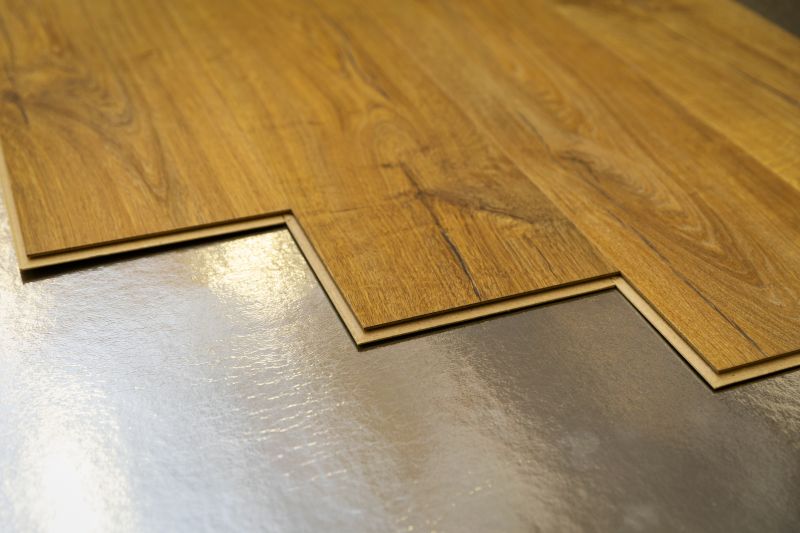
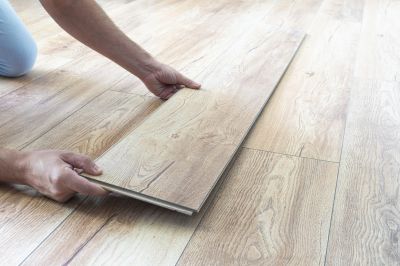
When considering flooring options for commercial spaces or high-traffic areas in properties around the local area, property owners often compare commercial laminate flooring and traditional hardwood. For those seeking a durable, easy-to-maintain surface that can withstand frequent use, commercial laminate flooring might be appealing due to its resistance to scratches, moisture, and wear. On the other hand, property owners interested in a classic, natural look with the potential for refinishing may explore traditional hardwood installation services offered by local contractors. Understanding the practical differences between these options helps owners make informed decisions based on their specific project needs and the daily demands of their spaces.
Many property owners look into these flooring choices when upgrading or renovating areas like offices, retail stores, or residential spaces where longevity and appearance matter. Local service providers can assist in evaluating the benefits of commercial laminate flooring versus hardwood, considering factors such as installation complexity, maintenance requirements, and overall aesthetic goals. Whether choosing a cost-effective, resilient solution or a timeless, refinishing-friendly material, connecting with experienced local contractors can help ensure the flooring meets the functional and visual expectations of the property.
Get a Quote for Commercial Laminate Flooring Or Hardwood Installation
How does commercial laminate flooring compare to traditional hardwood in terms of durability? Commercial laminate flooring generally offers higher resistance to scratches, dents, and moisture, making it suitable for high-traffic areas, whereas traditional hardwood can be more susceptible to wear and damage over time. Local contractors can help determine which option best fits the specific needs of a commercial space.
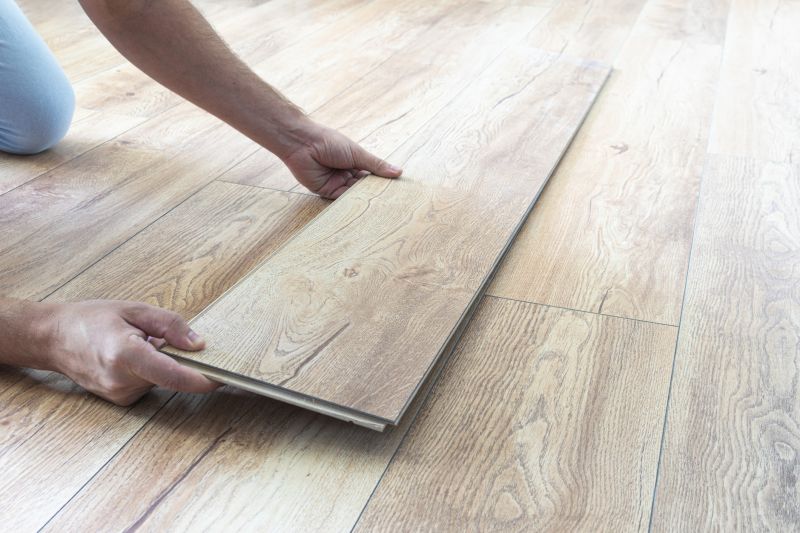
Is installation of commercial laminate flooring easier than traditional hardwood? Yes, commercial laminate flooring typically features a click-lock system that simplifies installation, often allowing for quicker and less labor-intensive setup compared to traditional hardwood, which may require more precise fitting and finishing. Local service providers can handle the installation process efficiently.
What maintenance differences exist between commercial laminate flooring and hardwood? Commercial laminate flooring is usually easier to maintain, requiring regular sweeping and occasional damp mopping, while hardwood may need special cleaners and periodic refinishing to preserve its appearance. Local pros can advise on proper care for each type.
Can commercial laminate flooring be refinished like hardwood? Generally, commercial laminate flooring cannot be refinished because its top layer is a printed design sealed with a protective coating, unlike hardwood, which can be sanded and refinished multiple times. Local contractors can suggest suitable options based on long-term maintenance goals.
Which flooring type is more suitable for high-traffic commercial environments? Commercial laminate flooring is often preferred for high-traffic areas due to its durability and resistance to damage, while traditional hardwood may require more upkeep and protection to withstand heavy use. Local service providers can recommend the best choice for specific commercial needs.
Durability considerations - Property owners can evaluate the wear resistance of commercial laminate flooring versus traditional hardwood to choose the best option for high-traffic areas, with local contractors providing guidance on material selection.
Installation techniques - Deciding between floating laminate floors or nailed hardwood can influence project planning, and local service providers can assist with proper installation methods suited to each flooring type.
Maintenance needs - Understanding the cleaning and upkeep requirements of laminate versus hardwood helps property owners plan for long-term care, with local pros offering advice on maintenance routines.
Aesthetic options - Comparing the styles and finishes available for commercial laminate flooring and hardwood enables property owners to achieve desired interior looks, while local contractors can help source and install preferred designs.
If you are thinking about commercial laminate flooring vs. traditional hardwood for a property, this guide is meant to help you understand this topic, the typical project types, and how different options might fit your plans.
When you are ready, you can use the quote form on this page to share a few details about your project. From there, local pros can review the basics and follow up with options that match what you have in mind.
Get a Quote for Commercial Laminate Flooring Or Hardwood Installation