Common Mistakes Homeowners Make With DIY Hardwood Floor Installation
Homeowners seeking to avoid common mistakes with DIY hardwood floor installation can benefit from local contractors who specialize in professional, hassle-free flooring services.
Homeowners exploring DIY hardwood floor installation often encounter common mistakes that can impact the longevity and appearance of their new floors. This topic is especially relevant for property owners in the area who want to ensure their investment stands the test of time without costly errors. Understanding these pitfalls can help prevent issues like improper surface preparation, incorrect acclimation, or choosing unsuitable materials-mistakes that local contractors frequently help homeowners avoid. By being aware of these common missteps, property owners can make more informed decisions and recognize when professional assistance may be beneficial.
Keep reading to discover practical insights into the most frequent errors made during DIY hardwood floor projects and learn how local service providers can support a successful installation. Whether it’s ensuring proper subfloor preparation or selecting the right type of hardwood, experienced local contractors have the expertise to handle these details correctly. This knowledge can empower property owners to approach their flooring projects with confidence, knowing that professional help is available to address potential challenges and deliver results that enhance the beauty and durability of their home.
- homeowners considering DIY hardwood floor installation may overlook proper subfloor preparation, which local contractors can expertly handle to prevent future issues. - those who attempt to install hardwood floors without understanding acclimation requirements can face warping or buckling, a problem experienced and corrected by local service providers. - DIY enthusiasts often neglect expansion gaps, leading to potential damage; local pros ensure these gaps are correctly installed for long-term stability. - individuals may choose unsuitable adhesives or nails, risking damage or uneven surfaces, but local contractors select the right materials for each project. - homeowners sometimes skip professional finishing touches, resulting in uneven surfaces or poor sealing, which local pros can properly address for a polished look.
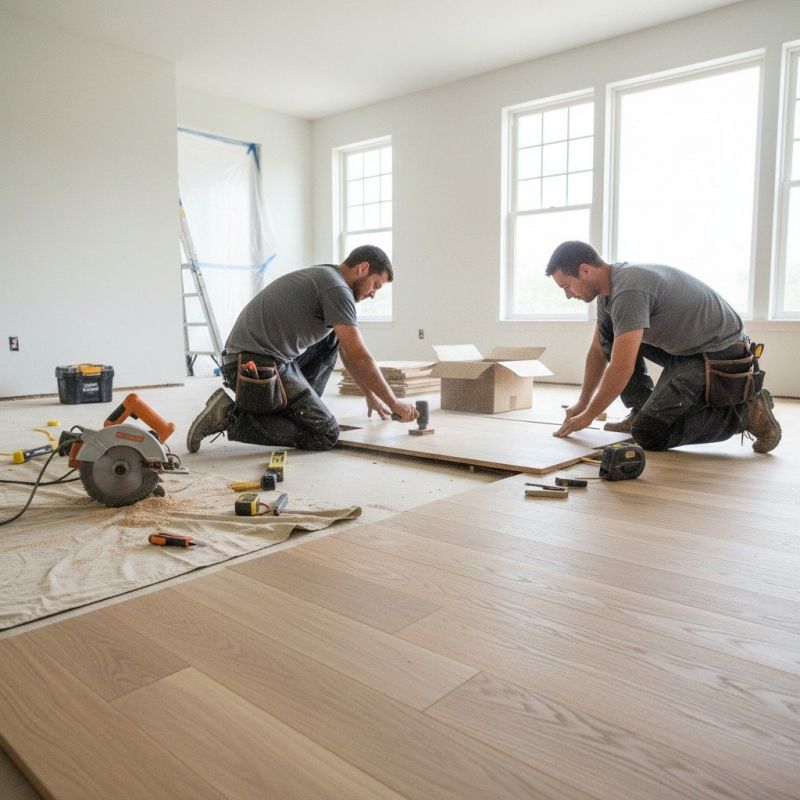
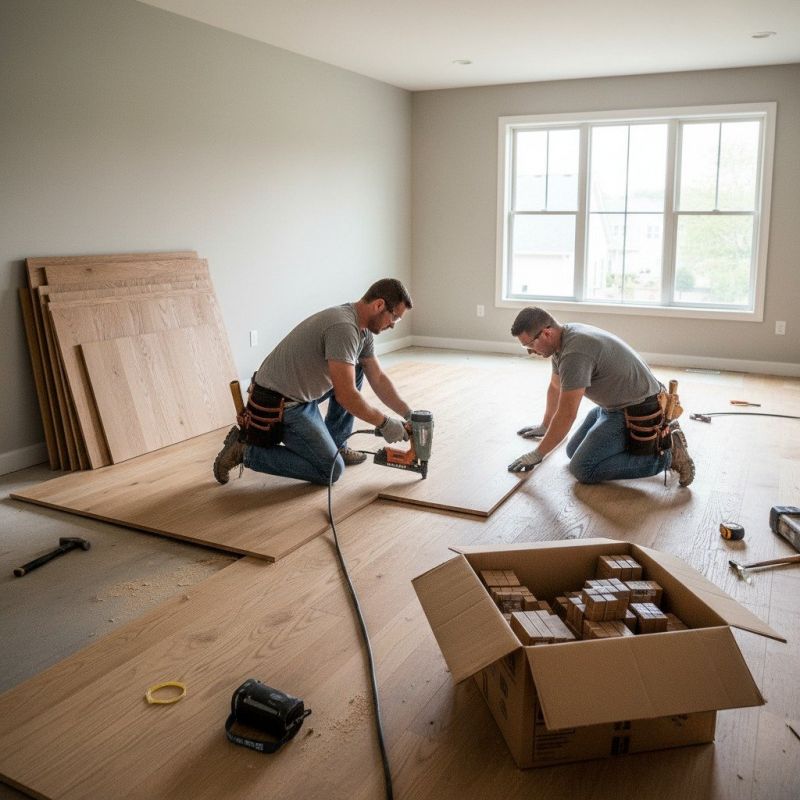
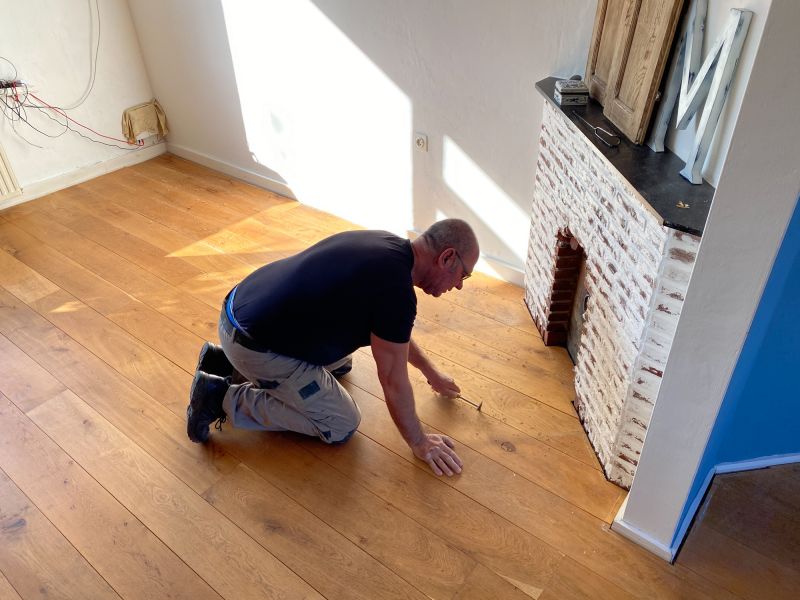
When homeowners search for information about common mistakes with DIY hardwood floor installation, they are often seeking guidance to avoid costly errors that can compromise the appearance and longevity of their floors. This topic relates to plans for upgrading or renovating residential properties, particularly those with existing flooring that needs replacement or new construction projects where hardwood is chosen as the preferred flooring material. Many property owners consider DIY installation to save money or to take on a personal project, but they may lack the experience or knowledge needed to navigate the complexities involved. Understanding these common pitfalls helps homeowners recognize the importance of proper planning and preparation, and it highlights how local contractors can step in to ensure the project is completed correctly.
In terms of property types, this subject is most relevant to single-family homes, townhouses, and condos where homeowners want to improve their living space with durable, attractive flooring. These properties often have varying subfloor conditions, space layouts, and aesthetic goals, all of which influence how hardwood should be installed. DIY enthusiasts may overlook the specific requirements of different subfloor materials or fail to account for expansion gaps and acclimation processes, leading to issues like buckling, gaps, or uneven surfaces. Recognizing the types of properties involved helps clarify why professional installation may be necessary to meet the unique demands of each space and to avoid problems that commonly arise during DIY projects.
Many common mistakes made with DIY hardwood floor installation stem from a lack of experience with the detailed steps involved. For example, improper acclimation of hardwood planks to the environment can cause expansion or contraction after installation, resulting in gaps or warping. Incorrect subfloor preparation is another frequent error, where uneven or unclean surfaces lead to unstable flooring. Additionally, DIY installers might overlook the importance of proper spacing for expansion or fail to use the right adhesives and fasteners, which can cause squeaking or shifting over time. These mistakes often stem from underestimating the complexity of the process, which underscores the value of hiring experienced service providers who understand the nuances of professional hardwood installation.
Ultimately, understanding common mistakes with DIY hardwood floor installation highlights how local contractors are well-equipped to handle these challenges. Professional service providers bring expertise in assessing subfloor conditions, selecting appropriate materials, and following precise installation techniques. They can help ensure that the hardwood is properly acclimated, installed with correct spacing, and finished to a high standard, minimizing future problems. For homeowners who want a durable, attractive floor without the risk of costly errors, connecting with experienced local pros offers a practical solution. These professionals can provide the guidance and skill needed to achieve a flawless hardwood floor that enhances the property’s value and aesthetic appeal.
Subfloor Preparation Projects - proper subfloor preparation is essential for hardwood flooring, and local contractors skilled in subfloor leveling and moisture testing can help prevent common installation mistakes.
Flooring Demolition and Removal - experienced service providers can safely remove old flooring, ensuring a clean, level surface that reduces the risk of future problems during hardwood installation.
Underlayment Installation Services - correct underlayment installation requires precise planning and tools, which local pros can provide to avoid issues like uneven surfaces or moisture issues.
Measuring and Layout Projects - accurate measurements and layout planning are crucial for hardwood floors, and local contractors can ensure proper spacing and pattern alignment.
Acclimation and Moisture Testing - professionals can assess moisture levels and acclimate hardwood planks, helping homeowners avoid warping or buckling after installation.
Refinishing and Sanding Services - local service providers can handle sanding and finishing, ensuring a smooth, durable surface that complements the initial installation process.
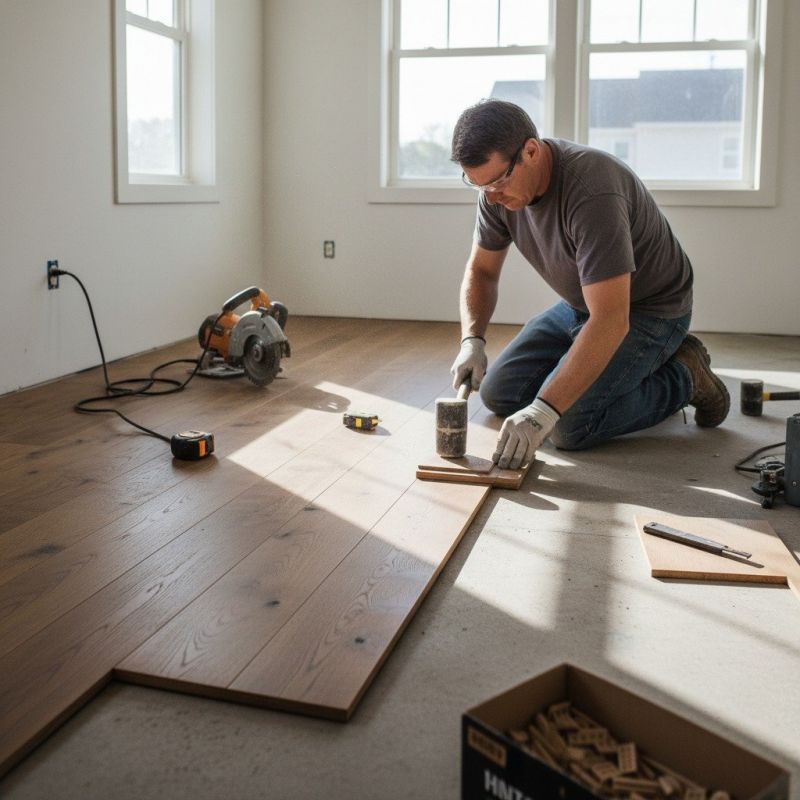
When evaluating local contractors for hardwood floor installation, it is important to consider their experience with similar projects. Homeowners should look for service providers who have a proven track record of successfully completing hardwood flooring installations comparable in scope and complexity to their own. This helps ensure the contractor understands the specific challenges that can arise during installation, such as subfloor preparation, moisture control, and material handling. An experienced contractor is more likely to recognize potential issues early and apply best practices, reducing the risk of common mistakes associated with DIY hardwood floor installation.
Clear written expectations are essential when choosing a service provider. Homeowners should seek out contractors who provide detailed project estimates, outlining the scope of work, materials to be used, and the timeline for completion. Having this information in writing helps prevent misunderstandings and sets a transparent foundation for the project. Good communication also involves the contractor actively listening to the homeowner’s preferences and concerns, ensuring that everyone is aligned on the desired outcome. This clarity can help avoid common pitfalls, such as improper installation techniques or overlooked preparation steps that often occur when homeowners attempt DIY projects without professional guidance.
Reputable references and strong communication skills are key indicators of a reliable local contractor. Homeowners are encouraged to ask for references or examples of past work to verify the quality of previous projects. Speaking with former clients can provide insights into the contractor’s professionalism, punctuality, and ability to handle unexpected issues. Additionally, a contractor who maintains open lines of communication can help address questions or concerns throughout the project, reducing misunderstandings and ensuring a smoother process. When homeowners choose service providers with a solid reputation and clear communication, they are more likely to achieve a successful hardwood floor installation and avoid many of the common mistakes associated with DIY efforts.
Property owners often search for common mistakes homeowners make with DIY hardwood floor installation when they are planning practical projects around their homes and businesses. Local pros provide Hardwood Floor Installation services for everyday jobs and straightforward project options.
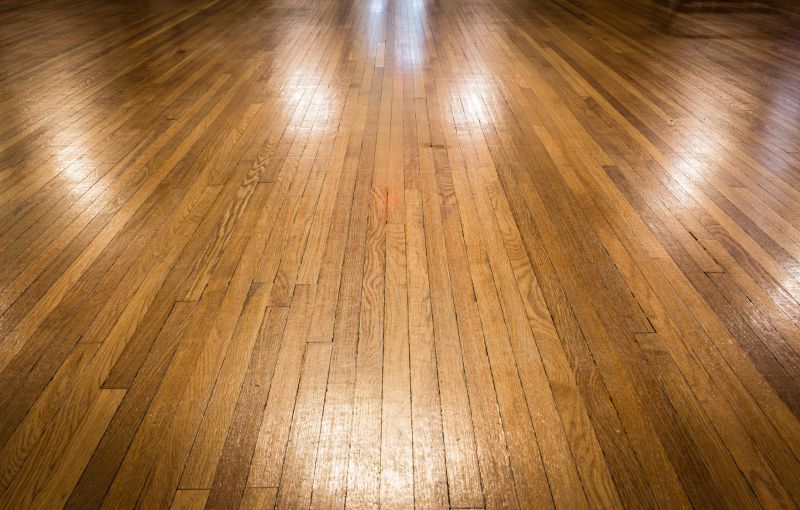
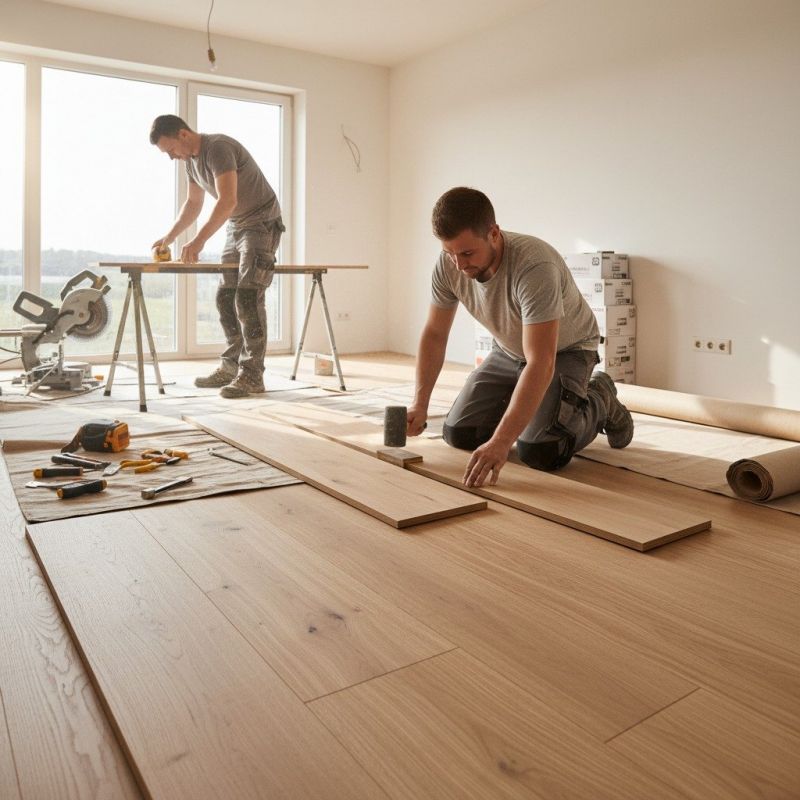
Homeowners attempting DIY hardwood floor installation often encounter common mistakes that can impact the final look and durability of their floors. One frequent issue is improper subfloor preparation, which can lead to uneven surfaces or excessive movement over time. Many property owners might overlook the importance of thoroughly cleaning and leveling the subfloor before laying down the hardwood, resulting in gaps, squeaks, or warping. Additionally, misjudging the expansion gap around the room’s perimeter is a typical oversight, causing the flooring to buckle or crack as it adjusts to changes in humidity and temperature. These simple errors can be challenging to correct without professional expertise, prompting many property owners to seek out local contractors who specialize in hardwood floor installation.
Another common mistake involves incorrect acclimation of the hardwood planks, which can lead to issues like cupping or buckling after installation. Homeowners may not realize that wood needs to adjust to the room’s humidity levels before installation, increasing the risk of future problems. Additionally, improper handling of the flooring materials-such as dragging planks across rough surfaces or failing to store them properly-can cause surface damage or warping. Because these issues are often subtle during installation but become noticeable over time, property owners frequently look for experienced local service providers who can ensure the job is done correctly from start to finish. Connecting with local contractors can help avoid these common pitfalls and achieve a professional-quality hardwood floor.
What is a common mistake homeowners make when installing hardwood floors themselves? A frequent error is failing to acclimate the hardwood to the home's environment, which can lead to expansion or contraction later. Professional service providers can ensure proper acclimation and installation techniques to prevent these issues.
Why is it important to prepare the subfloor correctly during installation? Inadequate subfloor preparation can cause uneven surfaces and squeaking floors. Experienced contractors can assess and prepare the subfloor properly for a smooth, durable finish.
How can improper layout planning affect a DIY hardwood floor project? Poor layout planning may result in awkward seams or uneven plank distribution, impacting the overall appearance. Local flooring specialists can help design an optimal layout before installation begins.
What mistakes are made with choosing the right hardwood material? Selecting the wrong type of hardwood for the home's usage and environment can cause damage or excessive wear. Service providers can recommend suitable materials based on specific needs and conditions.
How does inexperience impact the finishing and sealing process? Inexperienced homeowners might not apply finishes evenly or properly, leading to an uneven appearance and reduced durability. Professional contractors have the skills to achieve a high-quality finish that lasts.
Skipping proper subfloor preparation - ensuring the subfloor is clean, level, and dry helps prevent uneven surfaces and future damage, which local contractors can assist with.
Choosing the wrong type of hardwood - selecting the appropriate hardwood species and finish for the home's environment can be guided by local service providers to avoid issues like warping or scratching.
Ignoring acclimation requirements - allowing hardwood planks to acclimate to indoor conditions before installation reduces expansion and contraction problems, a step local pros can advise on.
Improper installation techniques - using correct spacing, nailing, and adhesive methods is crucial, and experienced contractors can ensure these steps are properly handled for a durable result.
If you are thinking about common mistakes homeowners make with DIY hardwood floor installation for a property, this guide is meant to help you understand this topic, the typical project types, and how different options might fit your plans.
When you are ready, you can use the quote form on this page to share a few details about your project. From there, local pros can review the basics and follow up with options that match what you have in mind.